 Makan Halal
Is McDonald’s Always Halal? Why the Answer Depends on the Country
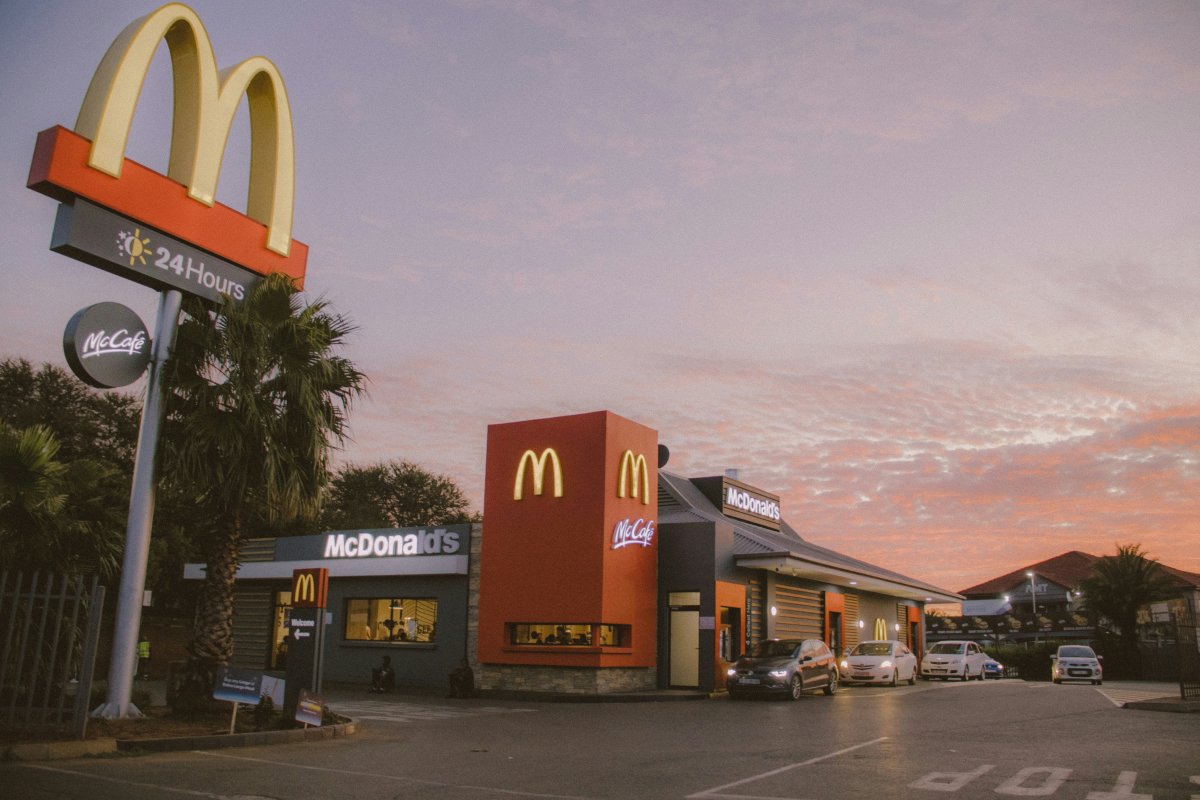
#McDonald’s may look familiar wherever you travel, but its halal status is not the same around the world. The company operates in many countries, and each market has its own suppliers, menu, restaurant procedures and certification requirements.
This means a McDonald’s meal that is halal-certified in Singapore or Malaysia should not be assumed to have the same status in London, New York, Auckland or another destination. Even familiar products such as the Big Mac, McChicken or Chicken McNuggets may be made with ingredients sourced through different supply chains.
The simple answer is that McDonald’s is not always halal. Its status must be checked country by country and, in some places, restaurant by restaurant.
Why McDonald’s Is Different in Every Country
McDonald’s is an international brand, but its restaurants do not all receive their ingredients from one global kitchen. Local operators work with regional suppliers and adapt their menus to local regulations, customer preferences and available ingredients.
Meat sourcing is only one part of the process. Halal certification may also consider seasonings, sauces, cheese, cooking oil, storage, transportation, kitchen equipment and food-handling procedures. A restaurant therefore cannot be judged solely by whether its beef or chicken comes from a halal supplier.
Certification systems also differ between countries. Singapore has MUIS, Malaysia has JAKIM, and Indonesia’s national system is administered by BPJPH. Other countries have their own authorities or recognised certification organisations.
For diners, the McDonald’s name alone is not enough to establish the status of a restaurant. The local operation and the scope of its certification are what matter.
Countries Where McDonald’s Is Halal-Certified
In several markets, halal requirements are applied throughout the local McDonald’s operation.
McDonald’s Singapore states that all its restaurants are certified by the Islamic Religious Council of Singapore, commonly known as MUIS. The certification covers the Singapore operation rather than McDonald’s restaurants in other countries.
McDonald’s Malaysia operates under requirements set by the Department of Islamic Development Malaysia, or JAKIM. Its local halal policy covers ingredients, food preparation and operational processes.
In Indonesia, McDonald’s has held halal certification for decades and operates within the country’s national certification system. Diners can also use the official BPJPH database to check registered products and businesses.
McDonald’s UAE states that its food complies with the country’s halal requirements and that certificates are available through its local channels and restaurants.
These examples show how a national McDonald’s operation can adopt halal requirements across its supply chain and restaurant network. However, certification in one country does not transfer to a branch across the border.
Countries Where Only Selected Restaurants Have Halal Options
Some countries do not apply one policy to every McDonald’s restaurant.
Australia is an important example. McDonald’s Australia provides halal options at a selected number of restaurants rather than across the entire national network. It also states that only the products listed on the certificate displayed at a participating restaurant are certified.
A customer visiting McDonald’s in Sydney or Melbourne should therefore check the particular branch rather than assuming that every Australian location follows the same system. Two restaurants in the same city may have different certification arrangements.
This is also why old online lists should be treated carefully. Participating locations, menu items and certificate details can change. The current local McDonald’s website and the certificate displayed at the restaurant are more reliable than an undated social media post.
Countries Where McDonald’s Is Not Halal-Certified
McDonald’s does not offer halal-certified food in every major market.
McDonald’s UK states that it does not currently serve halal-certified menu items. Although some products may not contain meat, they should not be presented as halal-certified when the company has not made that claim.
McDonald’s USA similarly states that it does not certify or claim its American menu items as meeting halal requirements. The US menu, suppliers and restaurant procedures should therefore be considered separately from those used by McDonald’s in Muslim-majority countries or certified Asian markets.
McDonald’s New Zealand also states that it has no halal-certified restaurants and that its ingredients and menu items are not certified.
This does not necessarily mean that every individual ingredient in these countries is prohibited. It means the local McDonald’s operation does not provide the halal certification or assurance that many Muslim diners require.
Is the Filet-O-Fish Halal When the Restaurant Is Not Certified?
The Filet-O-Fish is sometimes considered as an alternative in countries where McDonald’s meat is not halal-certified. However, choosing fish instead of beef or chicken does not automatically make the complete meal halal-certified.
The bun, cheese, sauce and other ingredients still need to be considered. Preparation methods and possible contact with other products may also matter. These procedures vary between countries and can change when equipment, suppliers or recipes are updated.
The same caution applies to fries, breakfast items, desserts and vegetarian products. “Meat-free,” “vegetarian” and “halal-certified” are different descriptions. One should not be used as a substitute for another.
Some diners are comfortable checking individual ingredients, while others only eat at formally certified establishments. The appropriate choice depends on the standard the diner follows, but the absence of meat alone should not be treated as proof of certification.
How to Check McDonald’s Halal Status Before Eating
Start with the official McDonald’s website for the country you are visiting. Make sure it is the local website, as search results may show information from a different market.
Look for a halal policy, frequently asked questions page or food-certification section. Statements from McDonald’s Singapore, for example, do not describe the position in the United States or United Kingdom.
Where a national halal authority provides a public directory, search for the restaurant or company there. In Singapore, diners can use the MUIS certified-establishment search. Malaysia provides official halal verification services connected to JAKIM, while Indonesia has the BPJPH certificate database.
At locations where certification applies only to selected branches or products, inspect the certificate displayed in the restaurant. Check which business, location and menu items it covers rather than relying only on a halal symbol in an advertisement or an old photograph online.
When the information remains unclear, ask the local McDonald’s customer service team for its current written policy. Restaurant staff may be able to help, but official documentation provides a clearer reference.
The Answer Is Local, Not Global
McDonald’s is halal-certified in some countries, unavailable with halal certification in others, and limited to selected restaurants in certain markets. There is no single worldwide answer.
The safest approach is to treat each country as a separate operation. Check the local McDonald’s policy, look for certification from the relevant authority and confirm the particular restaurant when certification is not nationwide.
A familiar logo does not guarantee an identical menu or supply chain. Before ordering McDonald’s while travelling, verify the status in the country and branch you are actually visiting.